
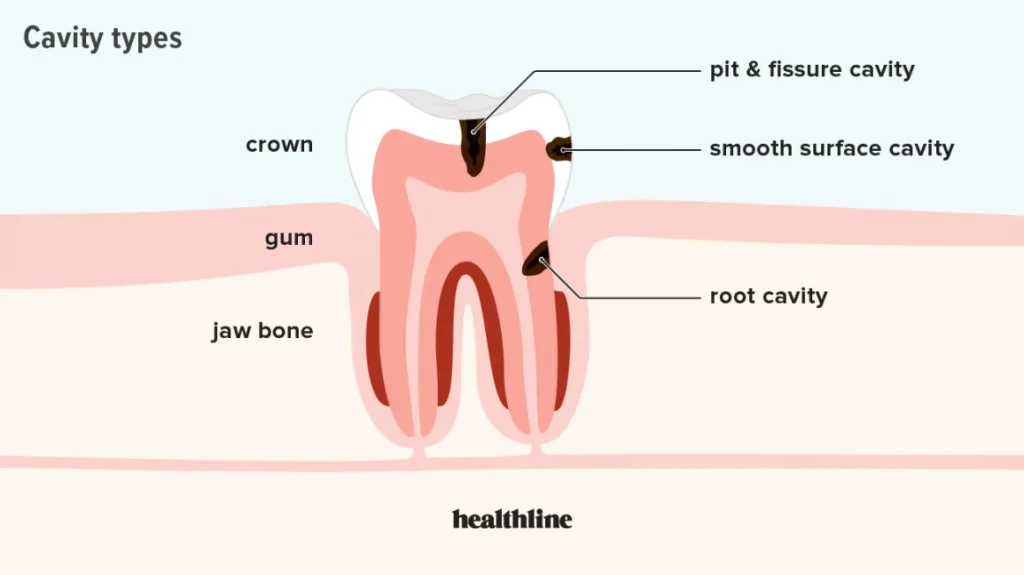

Symptoms
1. Toothache, spontaneous pain
2. Tooth sensitivity
3. Mild to sharp pain when eating or drinking something sweet, hot or cold
4. Visible holes or pits in your teeth
Causes
Cavities are caused by tooth decay — a process that occurs over time.

Prevention
1. Brush with fluoride toothpaste after eating or drinking
2. Rinse your mouth
3. Eat tooth-healthy foods
4. Visit your dentist regularly

When to see a doctor
You may not be aware that a cavity is forming. That's why it's important to have regular dental checkups and cleanings, even when your mouth feels fine. However, if you experience a toothache or mouth pain, see your dentist as soon as possible.
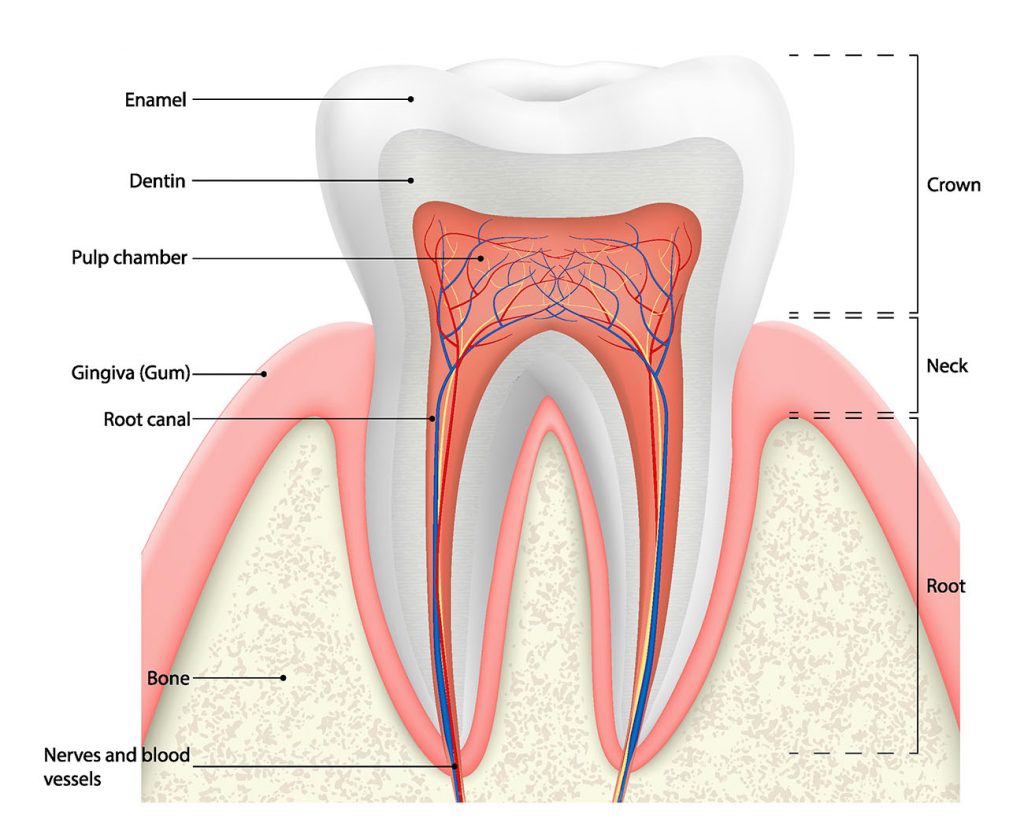
Symptoms
1. Tooth pain that may be sharp, throbbing, or constant.
2. In some people, pain results only when pressure is applied to the tooth.
3. Swelling around the tooth
4. Foul-tasting drainage from the infected tootht
Causes
Acids produced by the bacteria in plaque can eat through the hard, white coating on the outside of your teeth (enamel), creating a cavity. The first sign of decay may be a sensation of pain when you eat something sweet, very cold or very hot. Sometimes decay will show as a brown or white spot on the tooth.

Prevention
1. Rinse your mouth with warm water.
2. Use dental floss to remove any food particles or plaque wedged between your teeth
3. CIf the toothache is caused by trauma to the tooth, apply a cold compress to the outside of your cheek.
4. Call your dentist
When to see a doctor
Call your dentist immediately if you have any of the following with a toothache:
1. Pain that persists for more than a day or two
2. Fever
3. Trouble breathing or swallowing
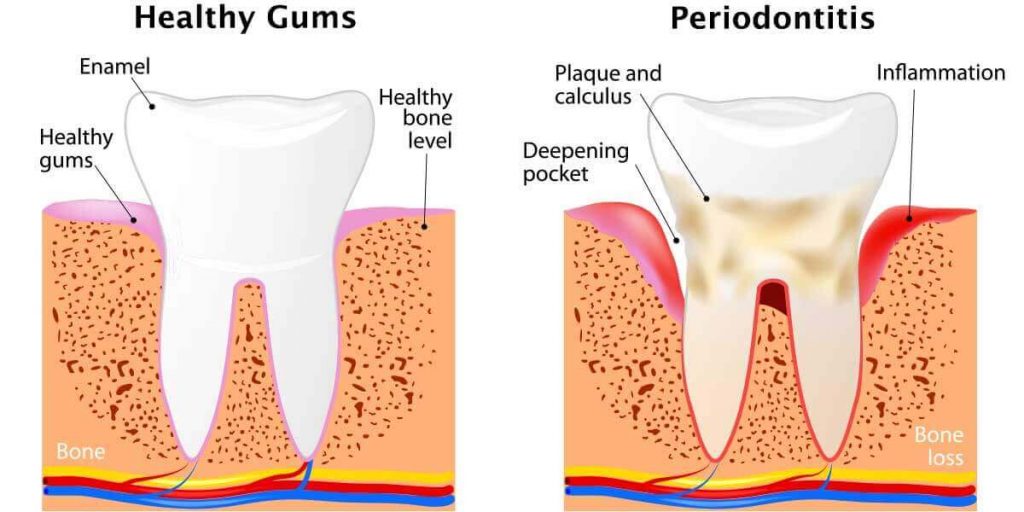
Symptoms
1. Swollen or puffy gums
2. Bright red, dusky red or purplish gums
3. Gums that feel tender when touched
4. Gums that bleed easily
Causes
In most cases, the development of periodontitis starts with plaque — a sticky film composed mainly of bacteria.
Prevention
1. Good oral hygiene
2. Flossing before you brush
3. Regular dental visits
When to see a doctor
Follow your dentist's recommended schedule for regular checkups. If you notice any symptoms of periodontitis, make an appointment with your dentist as soon as possible.
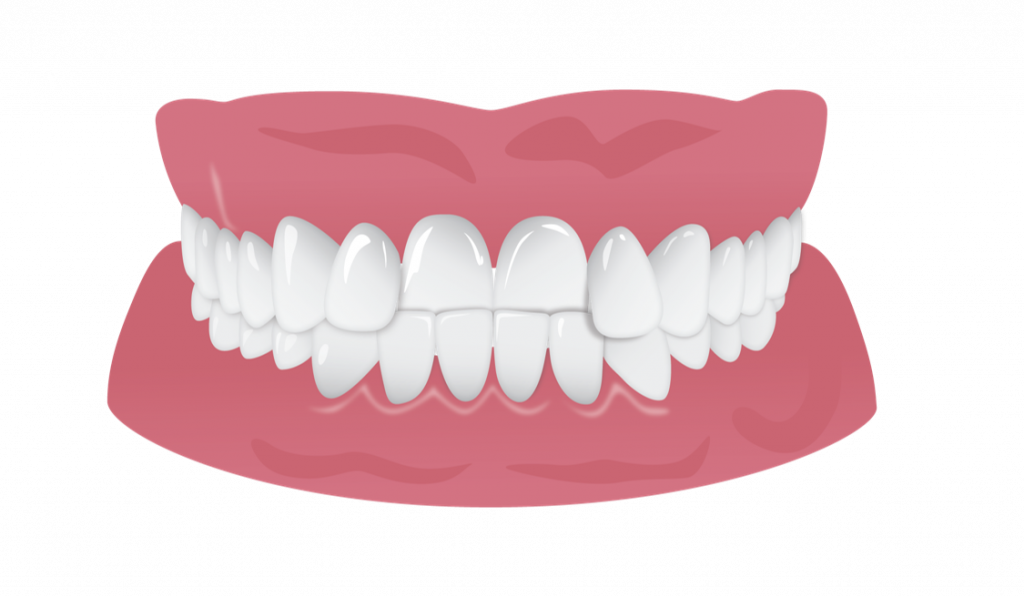
Symptoms
1. Abnormal alignment of teeth
2. Abnormal appearance of the face
3. Difficulty or discomfort when chewing or biting
4. Speech difficulties, including a lisp
Causes
Both baby teeth and permanent teeth can be crowded or crooked. Baby teeth sometimes move into crooked positions because they are too small to fill the allotted amount of gum space.
Side effects of crooked teeth
1. Interfere with proper chewing
2. Make keeping teeth clean more of a challenge, increasing the risk of tooth decay
3. Strain the teeth, jaws, and muscles, increasing the risk of breaking a tooth
When to see a doctor
Your dentist will look for the following signs:
1. Abnormal alignment of teeth
2. Difficulty or discomfort when chewing or biting
While you can see for yourself if teeth are crooked, your dentist can determine if the problem warrants treatment.